
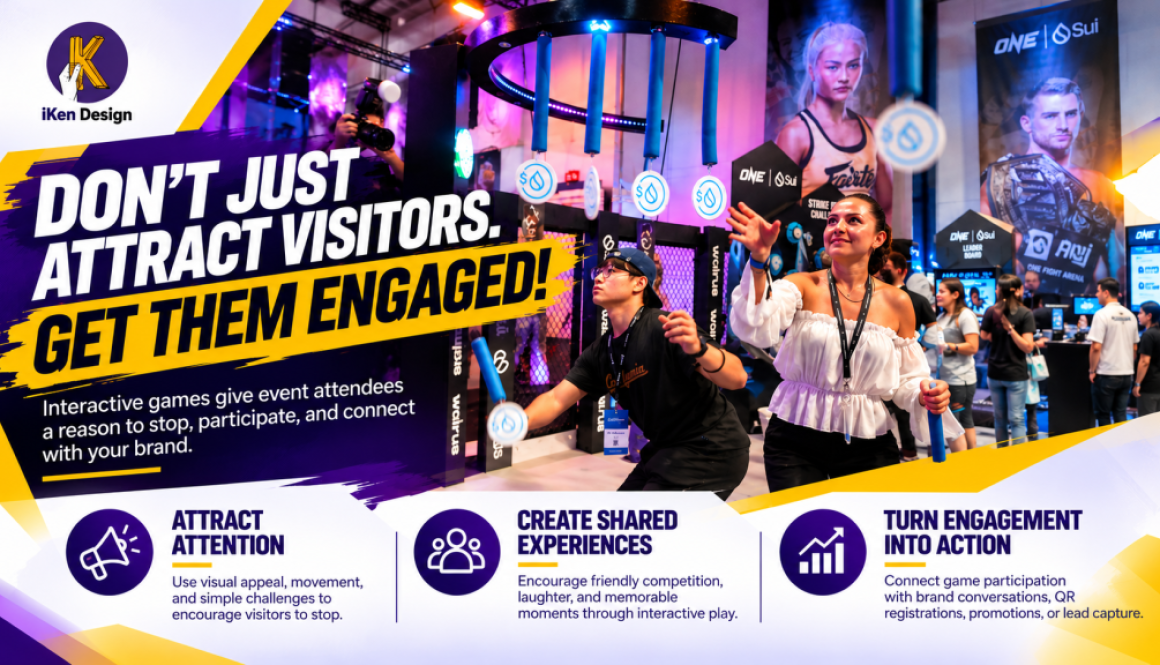
How to Increase Event Engagement with Interactive Games in Singapore
Key Summary
Interactive event games can help businesses in Singapore turn passive event visitors into active participants. At Sui Basecamp 2026 × ONE Championship, iKen Design’s Game Rod Drop activation brought technology and the excitement of famous fighters together through a hands-on challenge that encouraged participation, friendly competition, and memorable moments. For exhibitions, conferences, roadshows, and corporate events, the right interactive game gives attendees a reason to stop, play, connect, and engage with a brand. When supported by thoughtful event planning, suitable engagement staff, and a clear next step, interactive games can also support brand awareness, conversations, and lead generation.
Introduction
An event can have an impressive booth, eye-catching graphics, and a steady flow of visitors while still struggling to create meaningful engagement. People may glance at a display, collect a brochure, and continue walking. For businesses investing in exhibitions, conferences, and roadshows in Singapore, the challenge is getting attendees to spend time interacting with the brand.
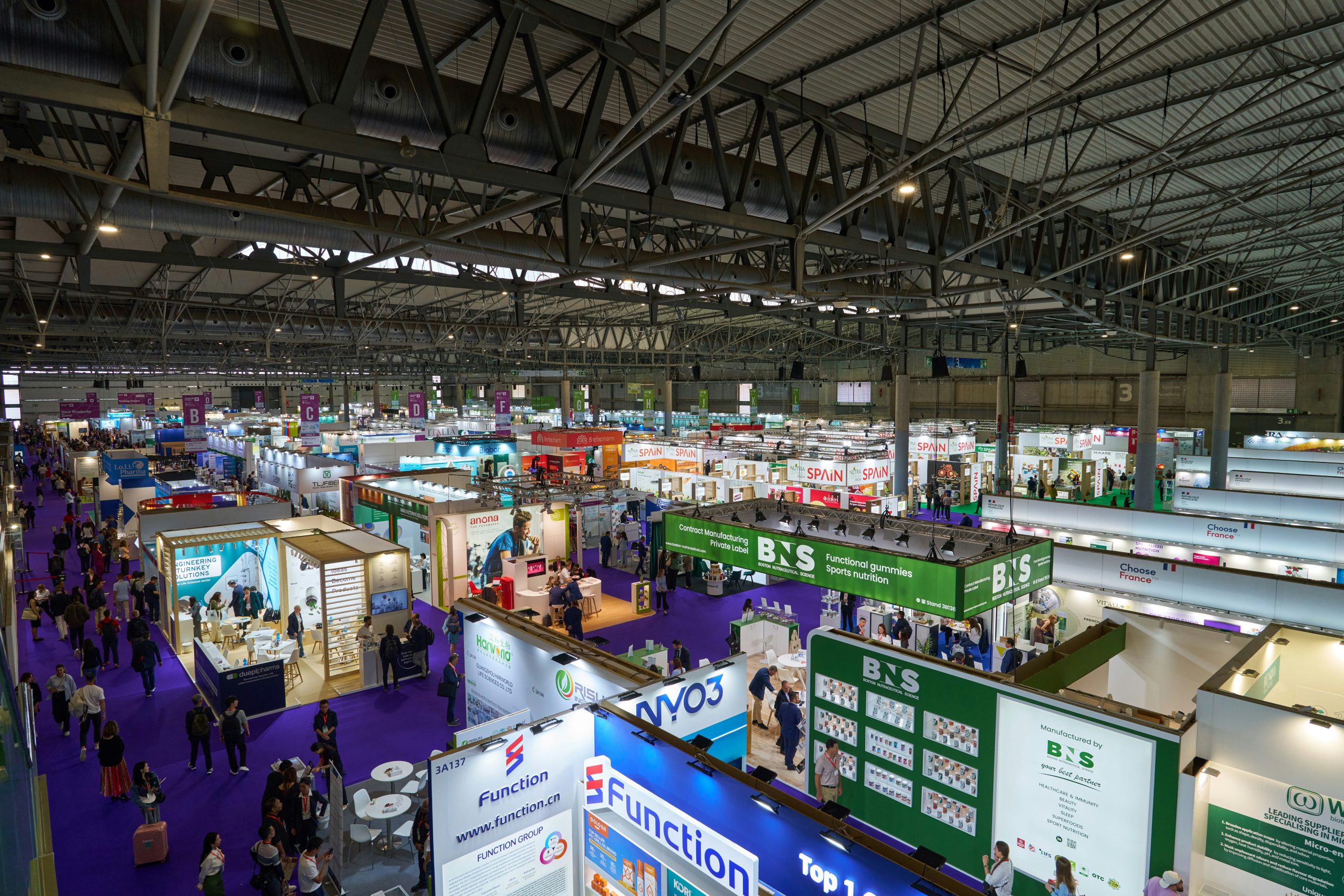
Interactive games offer a practical way to encourage participation. A simple challenge gives visitors something to do, a goal to achieve, and a reason to see what happens next. Whether it involves testing coordination, beating a score, or competing with friends, the activity creates an immediate experience rather than relying entirely on promotional messages. The game should also be easy to understand, quick to join, and suitable for the audience attending the event.
The business opportunity lies in how that experience is designed. A game can introduce a brand, create a natural conversation, or lead visitors towards a product demonstration, promotional offer, or registration. Singapore’s competitive event environment makes this especially relevant for SMEs that need to make limited event budgets work harder. The objective is to give attendees an enjoyable reason to engage while helping the business achieve a clear campaign goal.
How Interactive Event Games Increase Engagement in Singapore
First, interactive games create a reason to stop. Movement, colourful equipment, visible challenges, and the reactions of other participants can attract curiosity. Once visitors understand that they can join the activity themselves, the experience becomes more approachable. Games with simple instructions and short participation times are particularly useful at busy exhibitions and roadshows, where attendees have many competing demands on their attention.
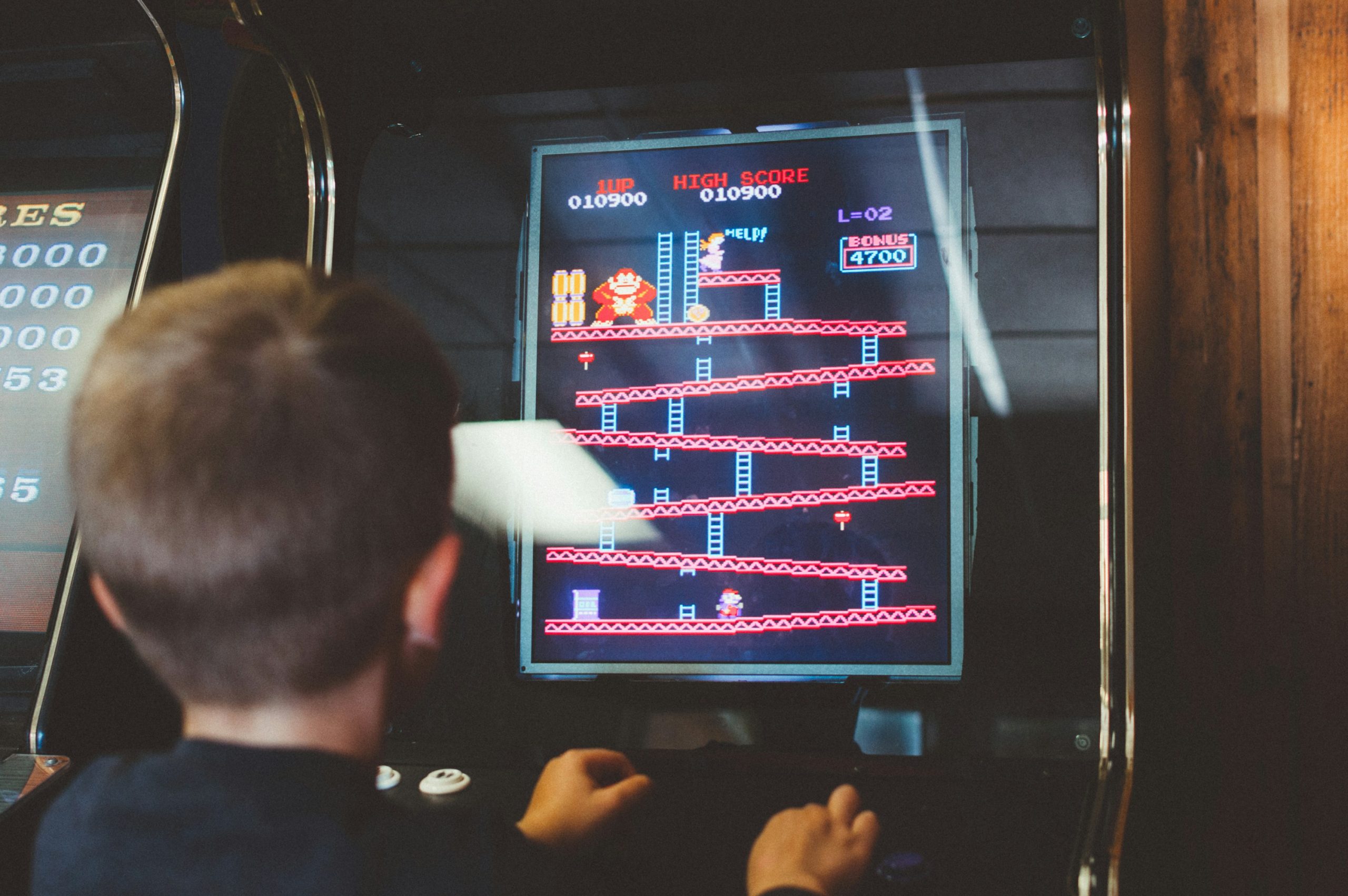
Second, games encourage emotional and social engagement. Participants may concentrate on completing a challenge, laugh at an unexpected result, or encourage friends to try their turn. These moments can make an event feel more welcoming and memorable. For organisers, the important consideration is how the activity fits the audience and event atmosphere. A game that feels natural within the setting can encourage more people to participate and give attendees a shared experience to talk about afterwards.

Third, games can support measurable marketing objectives. A game might introduce a product benefit, encourage a discussion with an engagement crew, or invite participants to scan a QR code for a relevant offer. For lead generation, the next step should feel connected to the activity, with a clear explanation of what the attendee receives and how their information will be used. Businesses should measure meaningful indicators such as completed plays, conversations, registrations, and redemptions instead of assuming that a busy game area automatically means campaign success.
Case Study: Game Rod Drop at Sui Basecamp 2026 × ONE Championship
Sui Basecamp 2026 took place at Marina Bay Sands in Singapore on 7 and 8 October, bringing together people from the Sui technology ecosystem, including founders, builders, developers, investors, and traders. ONE Championship was a platinum sponsor of the event. This created an interesting combination of technology and the excitement associated with combat sports. Read the official Sui Basecamp announcement here.
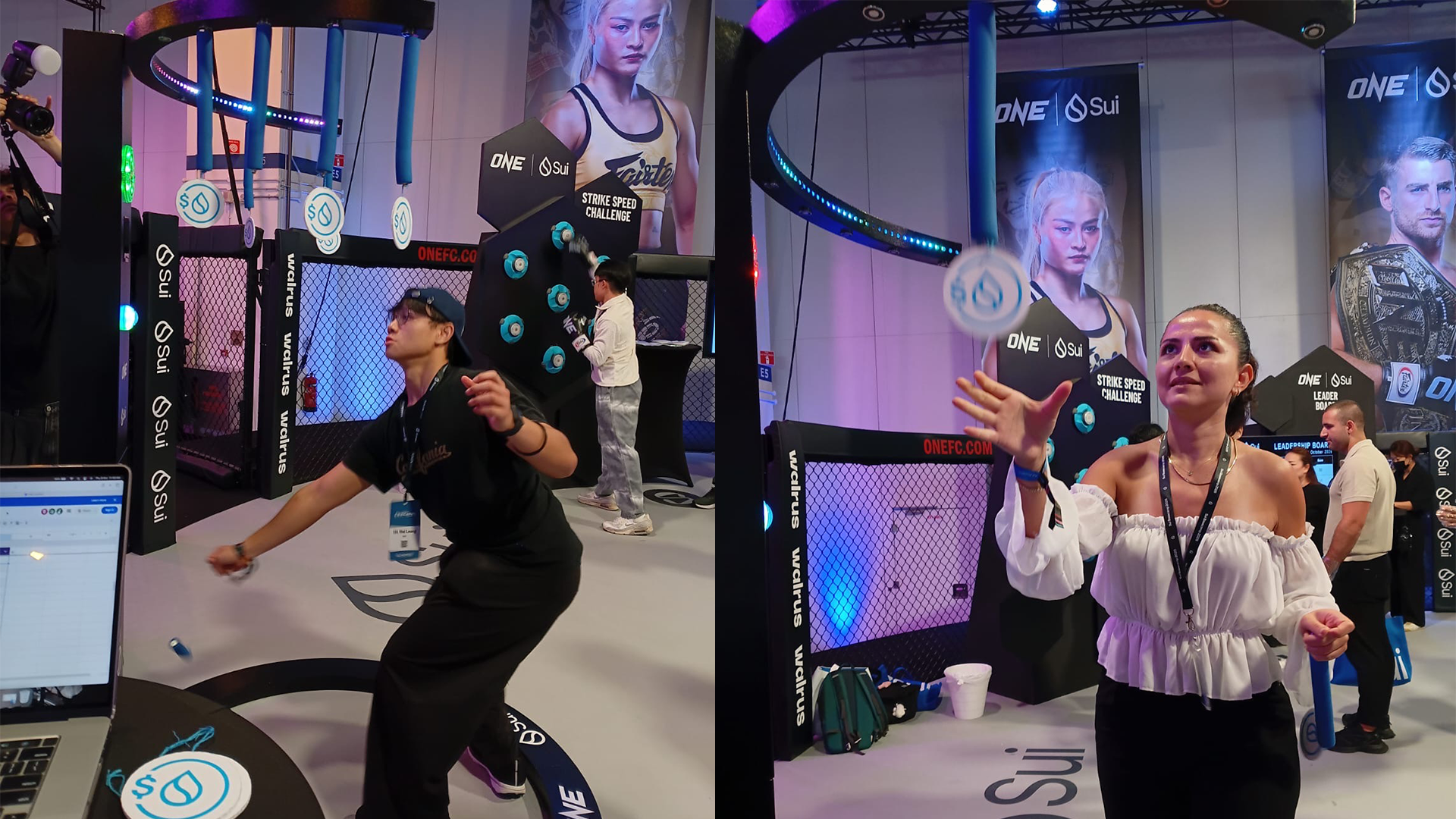
For this event, iKen Design provided a Game Rod Drop activation that invited attendees to step into a physical challenge within a technology-focused environment. The activity gave visitors an opportunity to test their coordination, concentrate on the task, and enjoy a playful break from presentations and screen-based experiences. Its appeal was straightforward: participants could understand the challenge, give it a try, and enjoy the experience without needing extensive instructions.
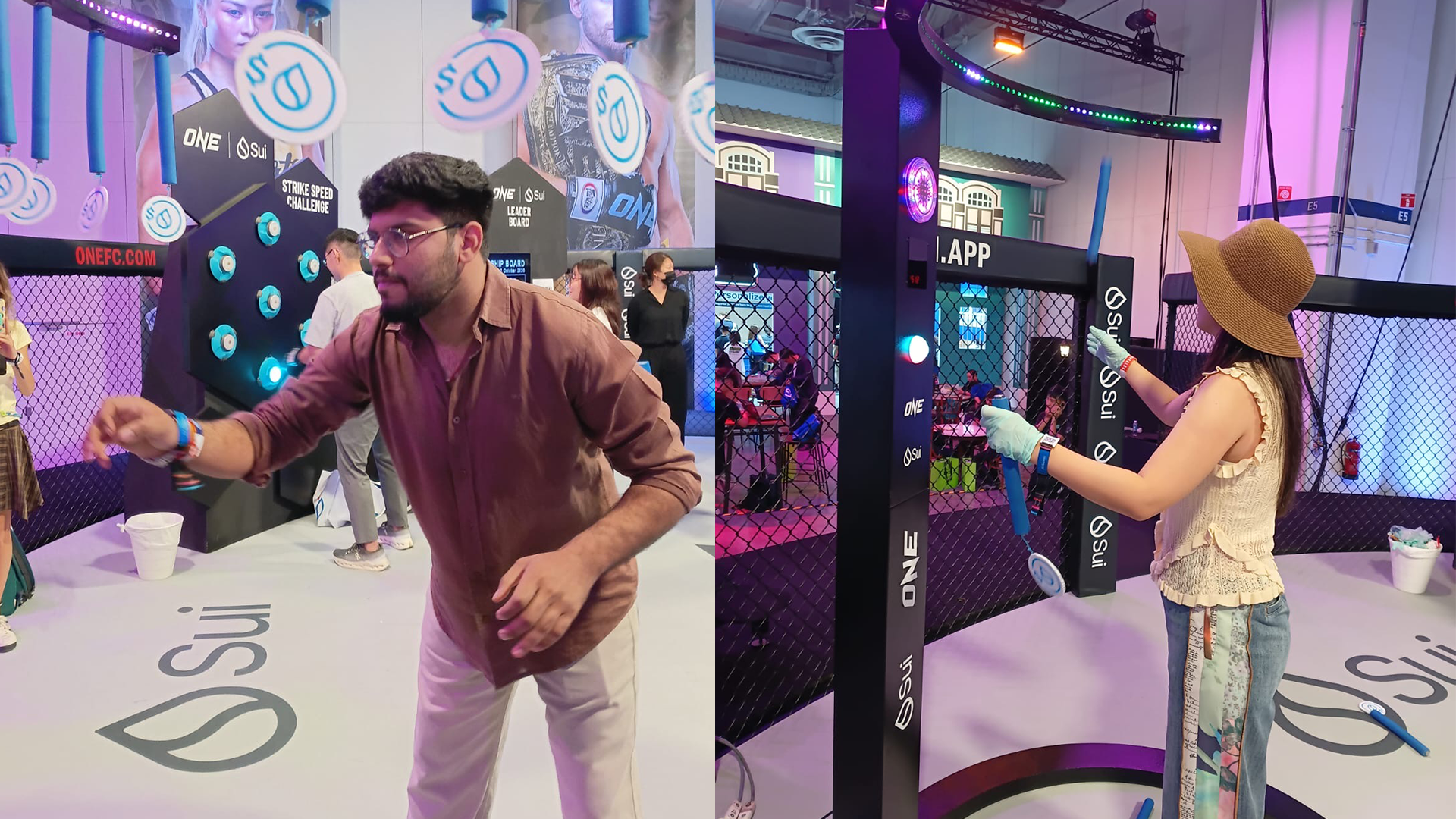
The human moments were an important part of the activation. Participants leaned into the challenge, focused on their attempts, and shared smiles while taking part. This is where interactive event design creates value: the activity gives people a reason to participate, while the experience provides an opportunity for positive associations with the event. For brands planning similar activations, the lesson is to select a game that fits the audience, make participation easy, and consider how the experience can connect attendees with the brand. The photographs show participation and enjoyment, while further performance claims would require event-specific data.
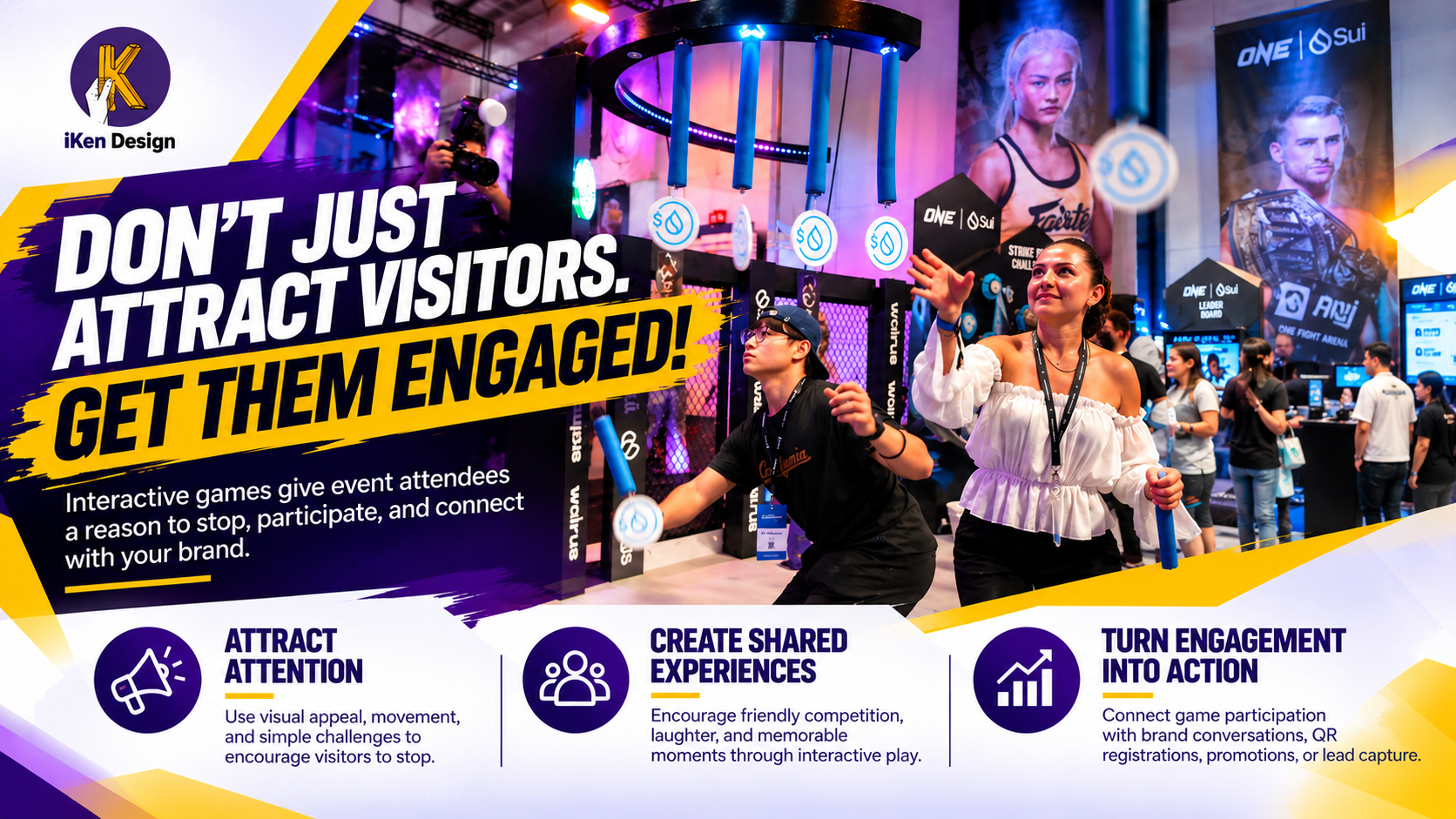
How iKen Design Helps Businesses Create More Engaging Events
Choosing an interactive game is only one part of planning an effective activation. Businesses also need to consider the event theme, audience profile, venue layout, available space, staffing requirements, and the outcome they want to achieve. A game that works well at a technology conference may need a different approach for a family event, retail roadshow, or education exhibition. Starting with these considerations helps prevent businesses from spending on equipment that looks impressive but does not fit the campaign.
Some event providers specialise in particular parts of an activation, such as equipment rental, digital experiences, booth production, or manpower. Each can be valuable depending on the brief. For businesses that want a connected experience, iKen Design can bring together interactive games, event creative, engagement crews, sampling, creative print products, and lead-capture ideas under one campaign direction. The focus is on making these elements work together, from attracting attention to encouraging participation and guiding attendees towards a relevant next step.
Ultimately, a successful activation should give visitors a reason to participate and give the business a clear way to evaluate the experience. Before the event, define what success means. During the event, observe how people respond and where participation slows down. Afterwards, review available feedback and performance data to identify what could be improved. What kind of interactive game would work best for your next exhibition, roadshow, or corporate event in Singapore? Comment “EVENT GAME” below and tell us your event type and target audience. iKen Design would love to hear your idea and help you explore an activation concept that fits your objectives.
Q&A
How do interactive games increase event engagement?
Interactive games give attendees a clear activity to join, encouraging them to stop, participate, and interact with the event environment. Games can also create opportunities for friendly competition, conversation, and brand discovery when they are designed around the audience and event objectives.
What types of interactive games work well for corporate events in Singapore?
Suitable options include skill-based games, reaction challenges, prize wheels, digital quizzes, team competitions, and hands-on activities such as Game Rod Drop. The right choice depends on the audience, venue, available space, participation time, and campaign goal.
Can interactive event games generate leads?
Yes, when the game is connected to a relevant next step. Organisers can offer a product demonstration, promotion, or optional QR registration. Explain the value of registering, obtain appropriate consent, and follow up according to the attendee’s stated interest and communication preferences.
How can businesses measure the success of an interactive game activation?
Track relevant measures such as participation count, completed plays, conversations, registrations, coupon redemptions, and attendee feedback. Select metrics before the event so the team can evaluate performance against the campaign objective.
How can iKen Design help with interactive event activations?
iKen Design helps businesses plan interactive event experiences by considering the audience, activity concept, event creative, engagement crew, and potential next steps. This approach helps connect the game with the wider event experience and the business’s marketing objectives.