
How to Turn Children’s Play Into Parent Conversion at Events
Many educational businesses in Singapore use the wrong strategy to attract parents. They may use an attractive booth and well-designed brochures. Yet parents only take a quick glance and move on.
In a highly competitive and experience-driven market like Singapore, parents are careful decision makers. Choosing a school, tuition centre, or learning programme is not an impulse decision. It requires confidence, emotional assurance, and proof.
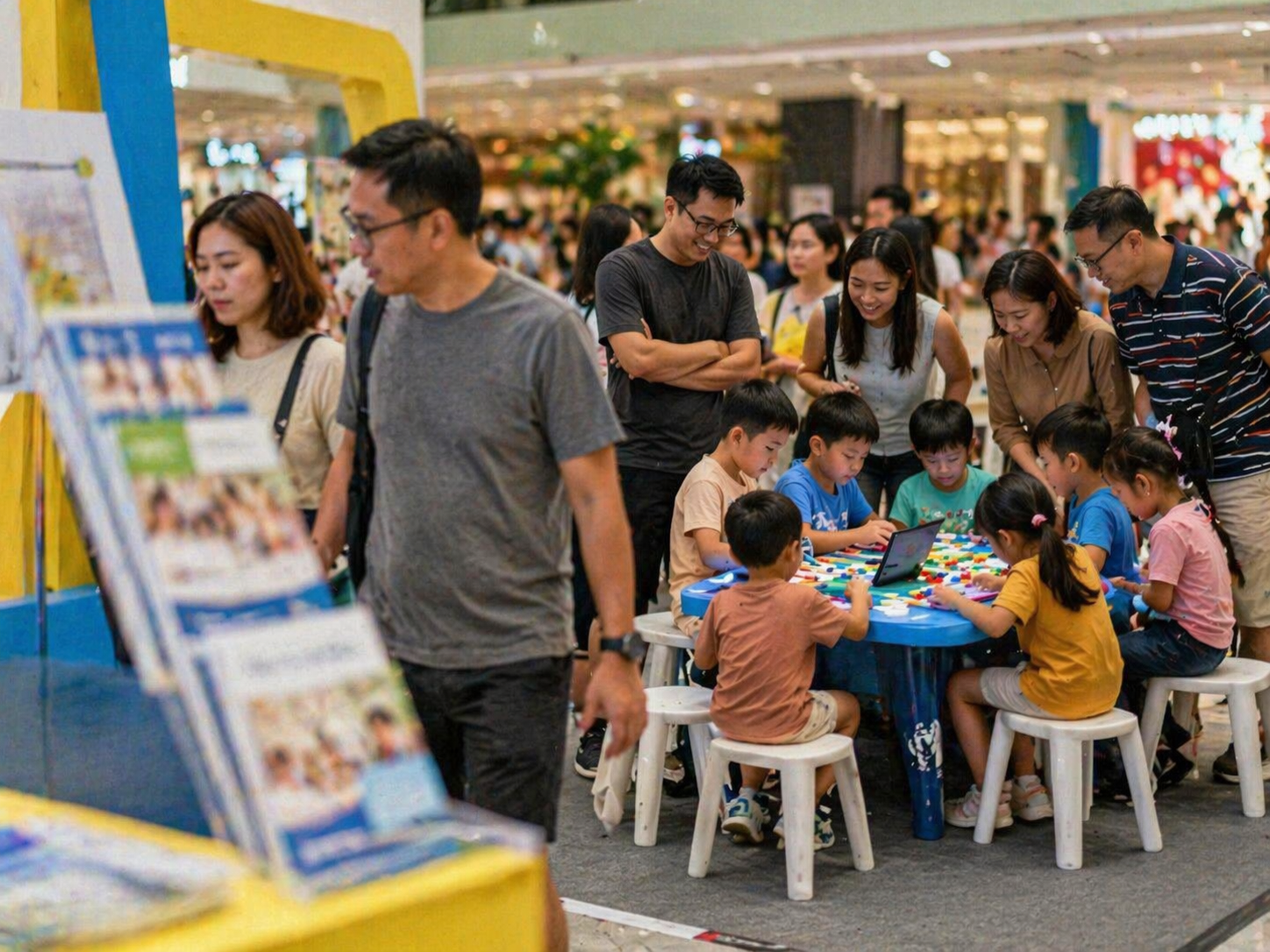
At iKen Design, we try to do things differently. We design event experiences that allow parents to observe, feel, and trust a brand before making a decision. Instead of relying on ads or brochures, we use children’s behaviour as the strongest proof point.
Parents Don’t Trust What You Say. They Trust What They See
Claims like “build confidence” or “improve communication skills” are not convincing parents nowadays. They want to see real proof, not just marketing messages.
When a child participates in an activity, parents are watching real behaviour.
They begin to:
- Observe how their child reacts to challenges
- Evaluate their child’s ability to focus or engage
- Imagine their child’s potential with the right guidance
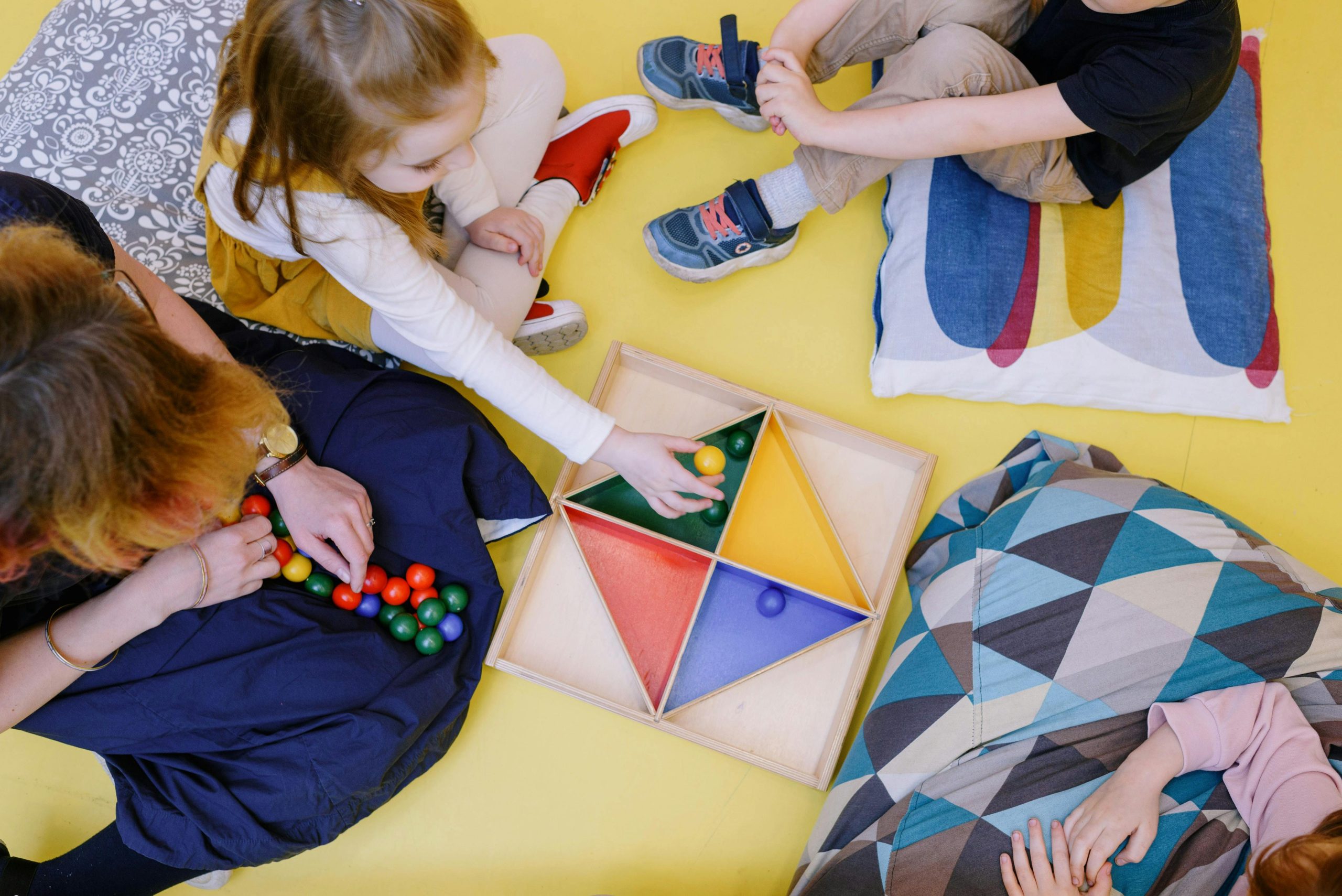
What they see is a natural emotional connection that no brochure or ad can replicate.
One of our clients in the education sector faced exactly this challenge. They were getting decent foot traffic at events, but conversion rates remained low. Parents showed interest, but hesitation was high. The missing element was not information. It was an experience.
We redesigned their approach by shifting from promotion to participation.
Instead of asking parents to understand the programme, we let them see the outcome through their child.
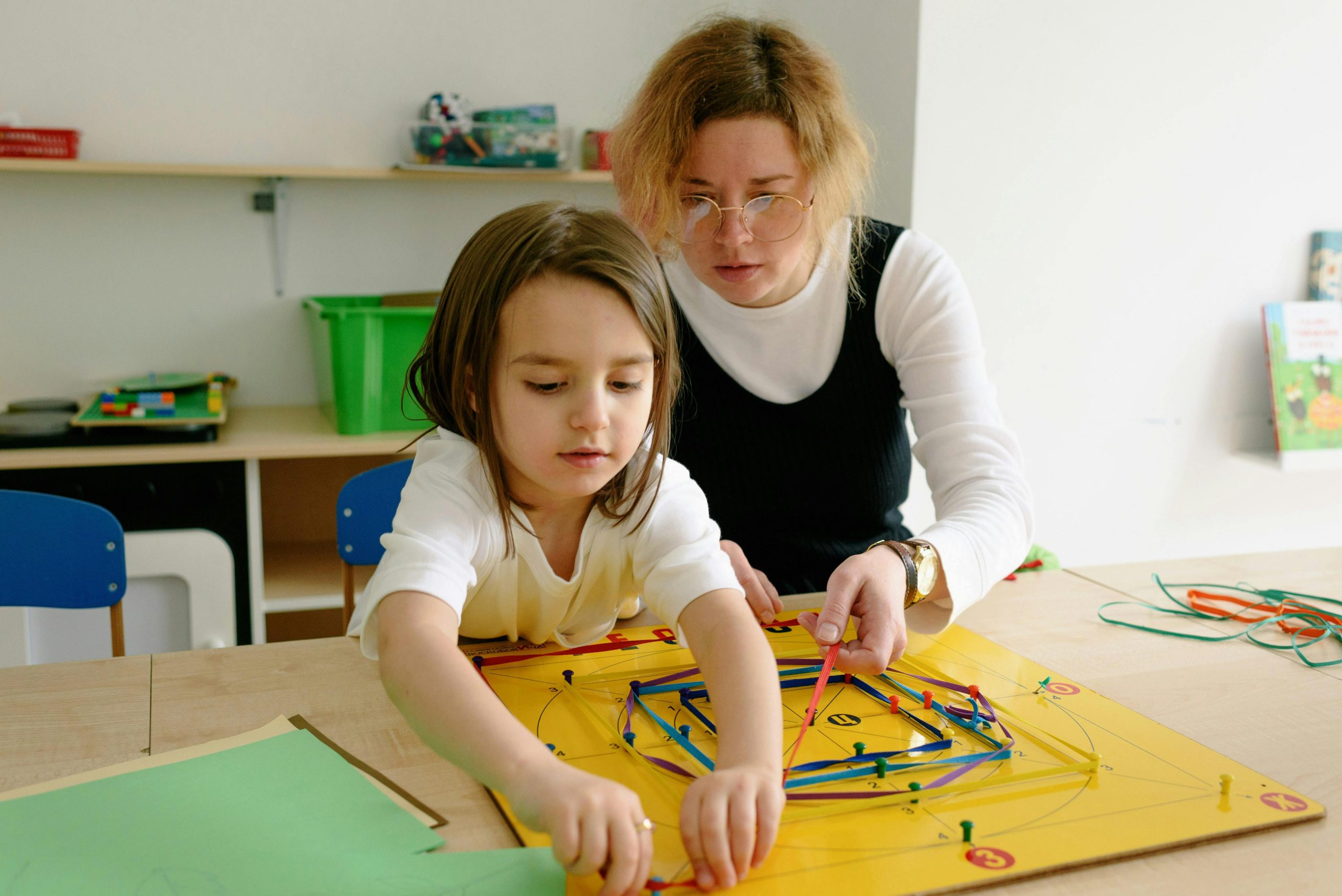
Turning Activities Into a Conversion System
To solve this, we introduced a dual-activity experience designed to engage both children and parents in different ways.
1. Sugar Art Experience: Attraction and Emotional Engagement
The sugar art activities are great for children as they are naturally curious about colourful, edible creations. As they participate, they receive customised candy art that feels rewarding and fun.
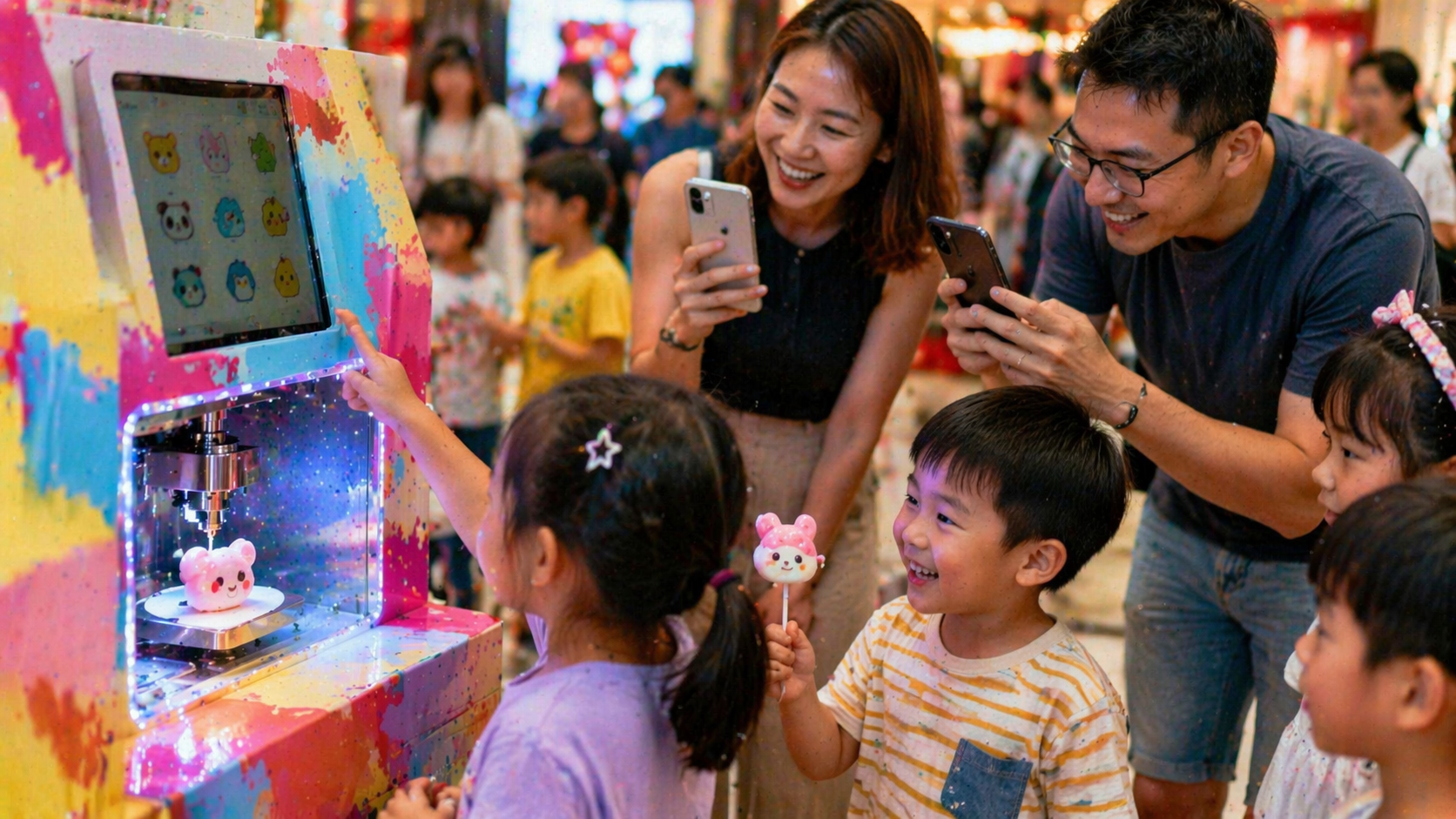
This activity serves more than just as an activity. It creates a positive memory. Children feel excited and happy. Parents see their child enjoying the moment. This led them to take photos or videos and then share them on social media.
This does three things:
- Attracts more families through visual curiosity
- Keeps children engaged without boredom
- Creates organic sharing without forcing promotion
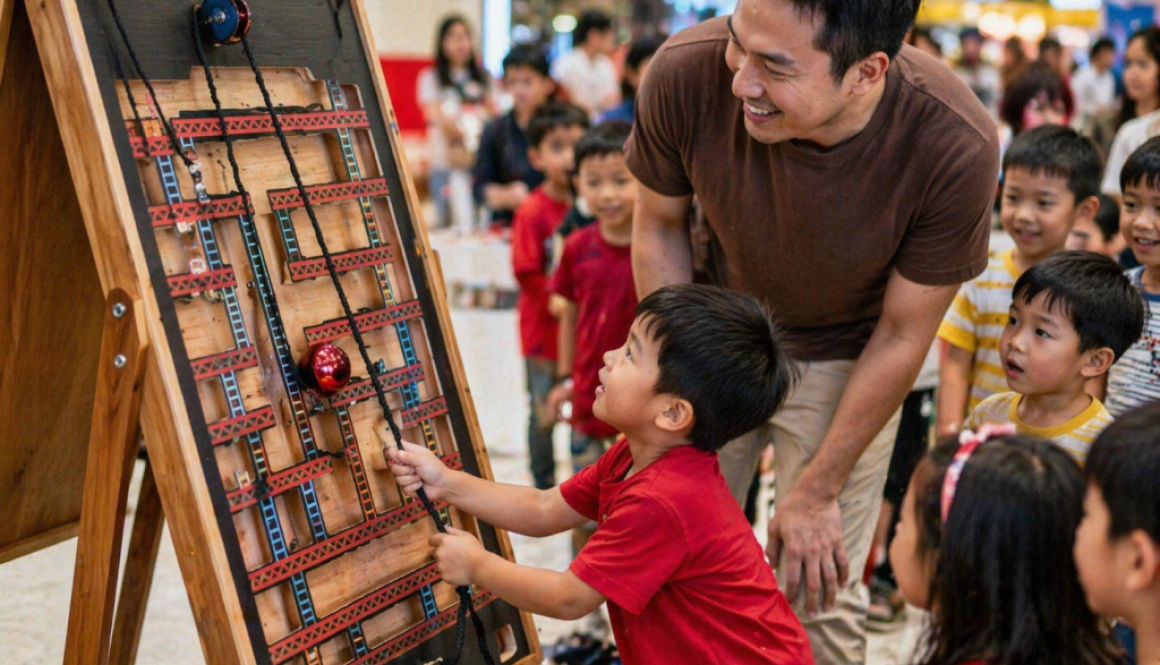
2. Donkey Kong Pulley Game: Engagement and Behaviour Insight
The second activity introduces a simple but effective challenge. Children control a pulley system to prevent a ball from dropping. It requires focus, coordination, and patience. It creates a natural observation moment. Children engage with the challenge at their own pace, while parents watch how they respond.
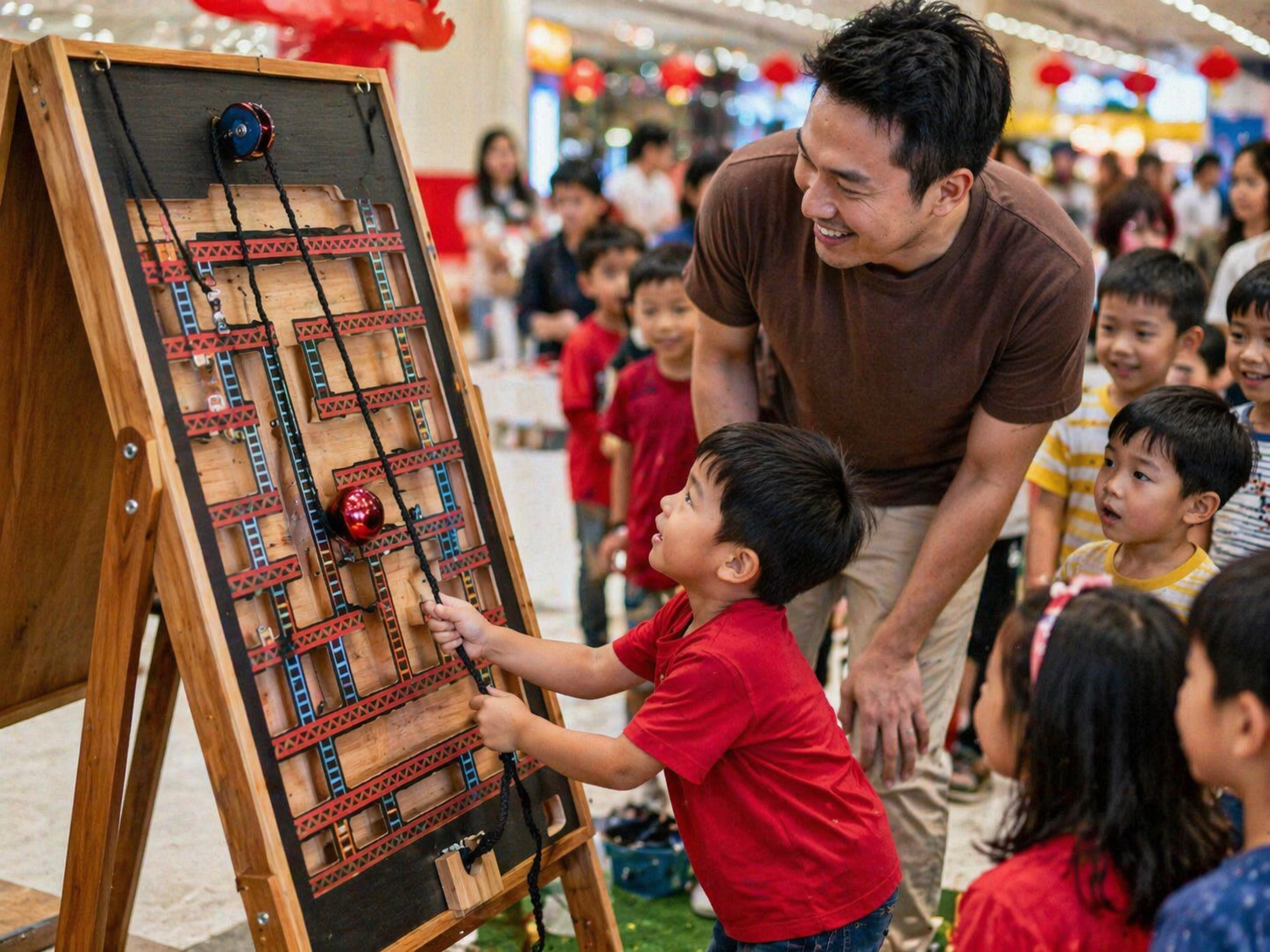
This does not feel like an assessment, but it reveals behaviour in a real and honest way. Even shy children tend to participate because the activity does not require speaking or performing. It feels safe and approachable for different personalities.
This leads to three key outcomes:
- Parents gain real-time insight into their child’s behaviour
- Children experience a sense of challenge and achievement
- The brand builds trust by demonstrating value, not explaining it
Closing
While most event booths focus on attracting attention, we focus on building trust and action.
We are not selling activities or games. We design a system where children’s engagement becomes proof for parents. A system where parents can observe, feel, and confidently decide.
This creates a two-way benefit. Our clients receive stronger engagement, higher quality leads, and better conversion outcomes. Parents, on the other hand, gain meaningful insights into their children while enjoying a fun and memorable experience together.
If you are planning your next event in Singapore and want to move beyond passive engagement, the approach needs to change.
Do not just tell parents what your brand can do. Let them see it through their child.