A busy roadshow in Singapore can attract hundreds of visitors and still generate very few useful leads. The difference comes from what happens after people stop. A successful interactive roadshow connects attraction mechanics, meaningful engagement, QR registration, consent, lead qualification, prize redemption and follow-up into one measurable journey. Whether you are planning a mall activation in Singapore, corporate roadshow, retail campaign or lucky draw campaign, the objective should be to give every visitor a reason to engage, a reason to provide relevant information, and a clear next step after the event. At iKen Design, we combine event planning, interactive experiences, sampling, mobile booths, engagement crews and lead capture to help businesses turn event footfall into qualified opportunities.
A crowded booth can create the impression that a roadshow is performing well. People may stop to watch a game, collect a prize, take a photo or pick up a promotional item. However, once the event ends, the organiser may discover that only a small number of visitors provided useful information or showed genuine interest in the product. For Singapore mall activations, retail roadshows and corporate events, this creates an important distinction: footfall is attention, while qualified leads are business opportunities
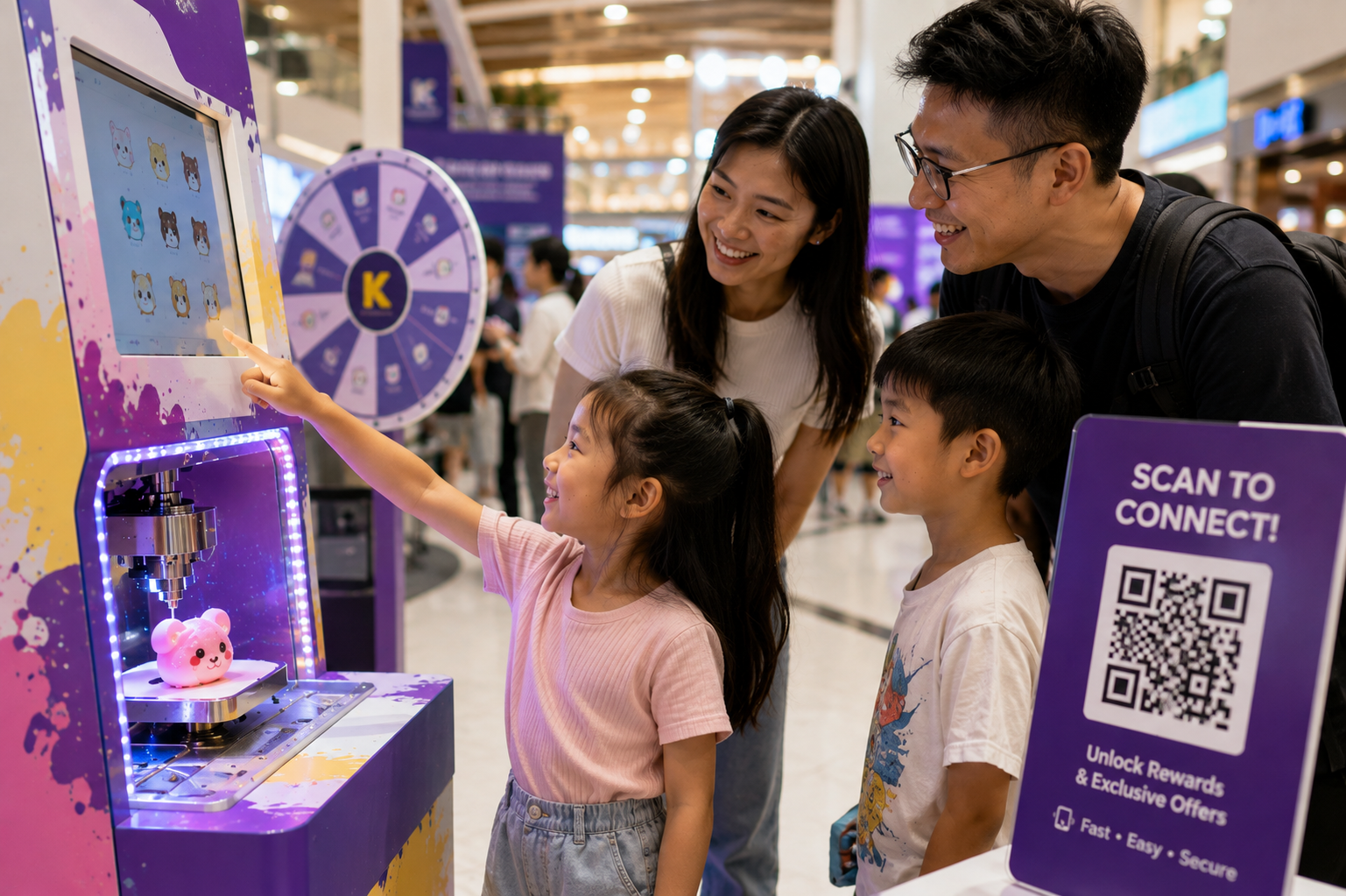
More leads also do not automatically mean more sales. A database containing hundreds of names is less valuable when the business does not know who is genuinely interested, what they need, or what action they are likely to take next. Aexus highlights this distinction in its research on conference lead generation, noting that badge scans can represent a low-quality contact while meaningful conversations reveal stronger buying intent. It also reports that passive booth presence can generate 40% to 60% fewer leads than active engagement where staff initiate conversations, demonstrate products or host presentations.
This is why the objective should be decided before the booth is designed. Do you want visitors to book an appointment, register for a trial, request a quotation, join a membership, redeem a promotion or speak to a sales representative? Once the desired action is clear, the attraction, game, prize, crew and lead-capture method can all work towards the same outcome. A crowd is only the beginning. A successful roadshow gives people a reason to engage, a reason to provide information and a clear next step after the event.
How to Turn an Interactive Roadshow Into a Lead Generation Journey
1. Set One Measurable Event Action
Before planning the booth, game or giveaway, decide what you want visitors to do. The objective could be to book an appointment, register for a trial, request a quotation, join a membership, redeem a coupon or submit an enquiry. Having one primary action gives the entire roadshow a clear direction and makes its results easier to measure.
2. Design the Attraction Mechanic
Once the objective is clear, design an attraction that gives people a reason to stop. This could be a lucky draw, interactive game, product demonstration, snack bar, sampling activity or photo opportunity. The attraction should match the target audience and campaign objective. An interactive hook creates participation, while an emotional hook can make the experience more enjoyable and memorable.
3. Connect QR Registration and Consent
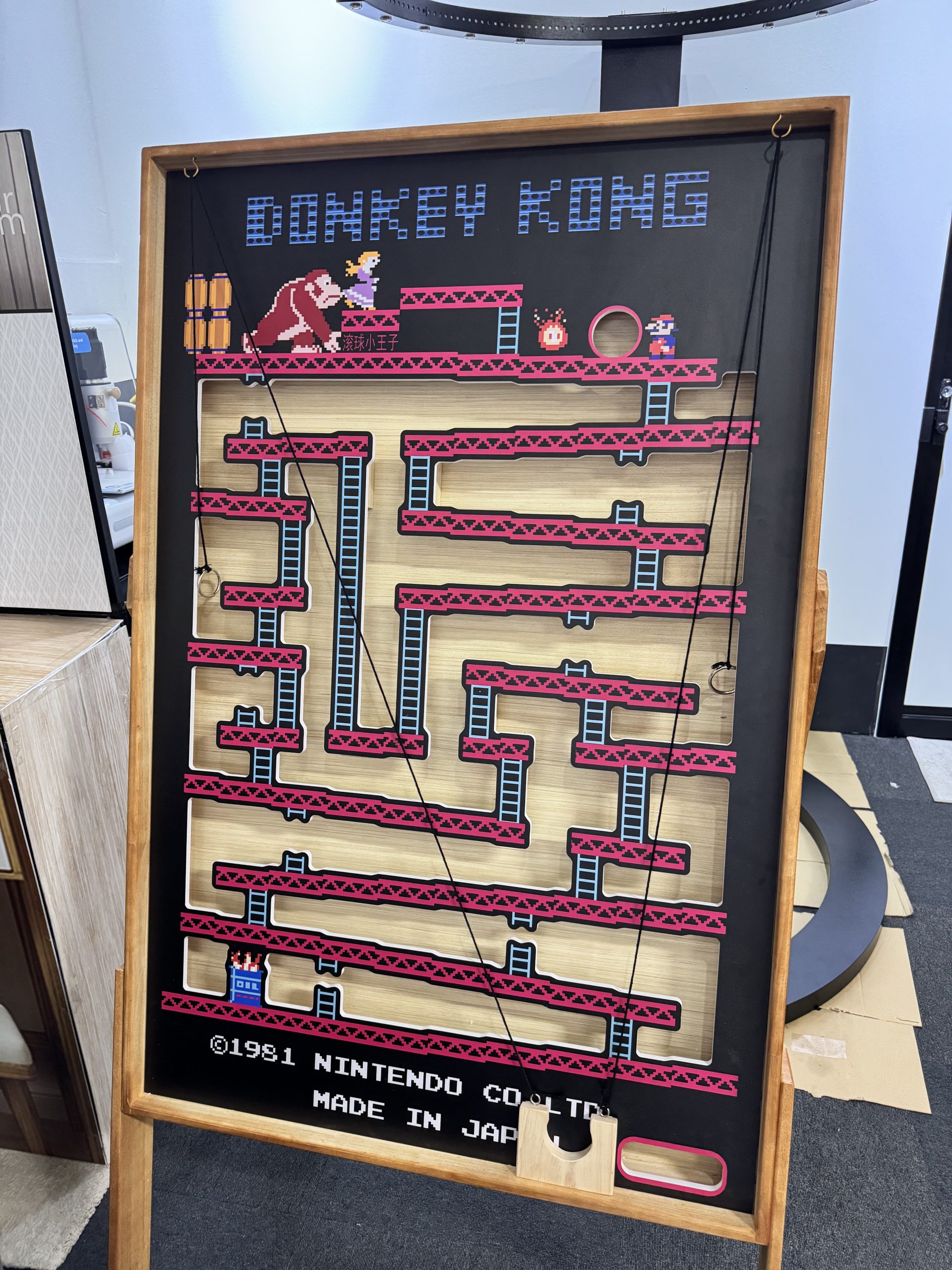
The next step is to connect participation with lead capture. For example, visitors could scan a QR code to register for a lucky draw, unlock a free snack, receive a coupon or access a reward. The registration process should be simple and mobile-friendly, with clear information about what data is being collected and how it will be used. This helps reduce friction while creating a more structured way to capture visitor information.
4. Train the Crew to Qualify Visitors
A QR form can collect information, but the engagement crew can help determine whether a visitor is actually interested in the product or service. Before the event, staff should understand what questions to ask, how to start conversations and how to identify genuine buying interest. For example, a property activation may ask whether a visitor is currently looking for a home, while an education roadshow may ask about the child’s age and learning needs.
5. Connect Prize Redemption With Follow-Up
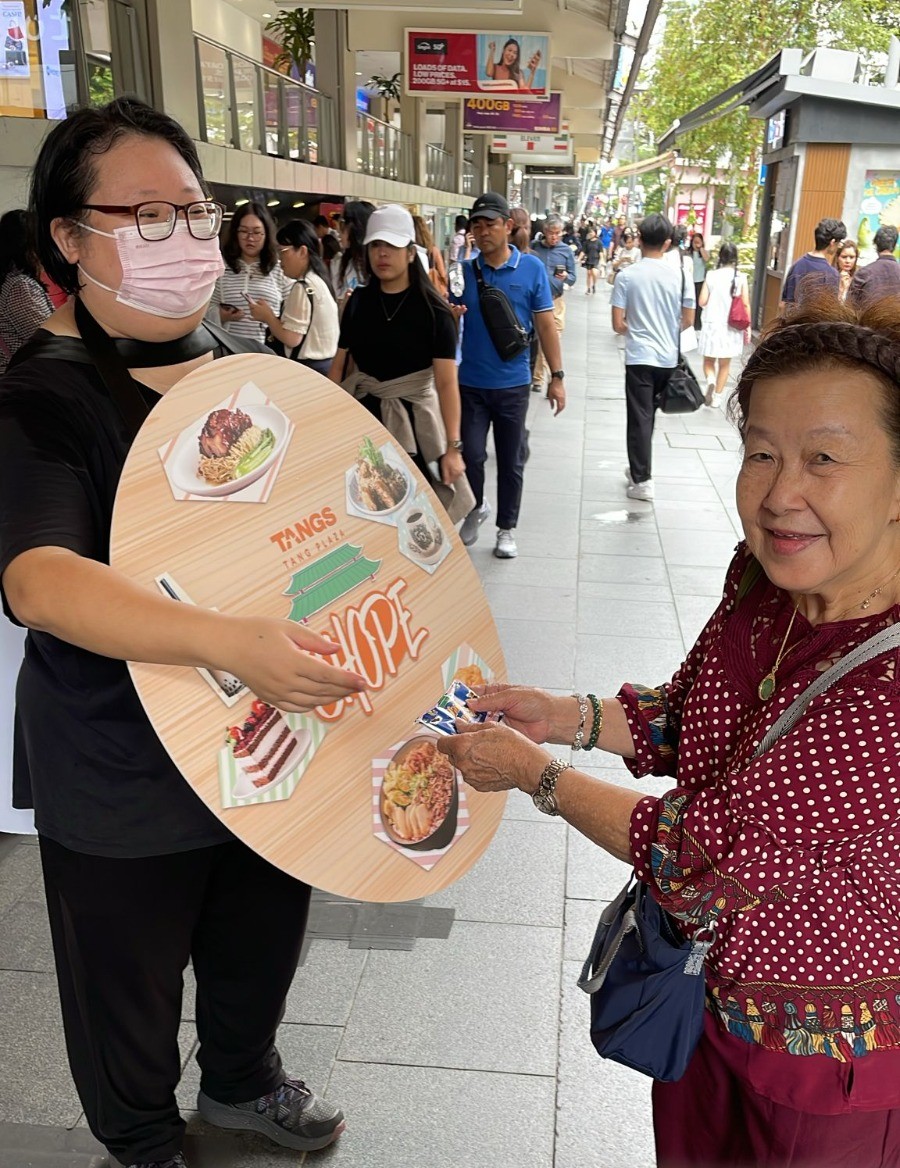
The journey should continue after the visitor submits their information. Prize redemption can become another opportunity for interaction. After completing the registration, the visitor could receive a coupon, product sample, lucky draw entry or physical reward. The collected information can then support appropriate post-event communication, such as an appointment reminder, product offer or follow-up message.
6. Measure the Event Beyond Footfall
A large crowd can make a roadshow look successful, but footfall alone does not tell you whether the campaign generated business opportunities. Event reporting should track the complete journey, including visitors, participants, QR scans, completed registrations, qualified leads, redemptions, appointments and follow-up responses. This gives organisers a clearer picture of where visitors are engaging and where potential leads are being lost.
7. Build a Clear Journey From Attraction to Appointment
The strongest activation connects every element into one flow:
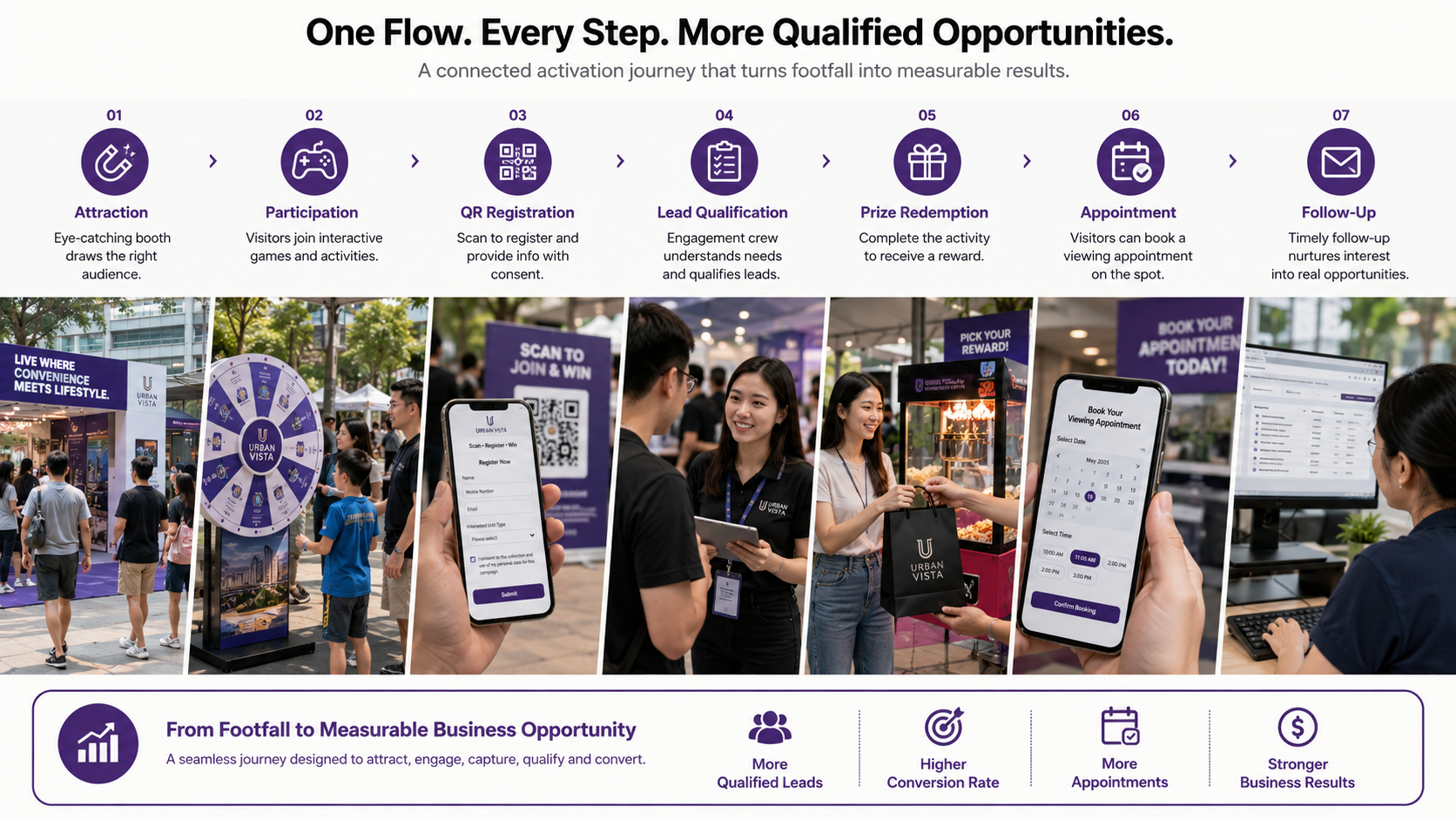
Attraction → Participation → QR Registration → Lead Qualification → Prize Redemption → Appointment → Follow-Up
For example, a property brand could attract families with an interactive game. Visitors scan a QR code to participate, provide relevant information with the appropriate consent, and speak with an engagement crew member about their property interests. After completing the activity, they receive a reward and are given the option to book a viewing appointment. The campaign therefore has a clear path from footfall to measurable business opportunity.
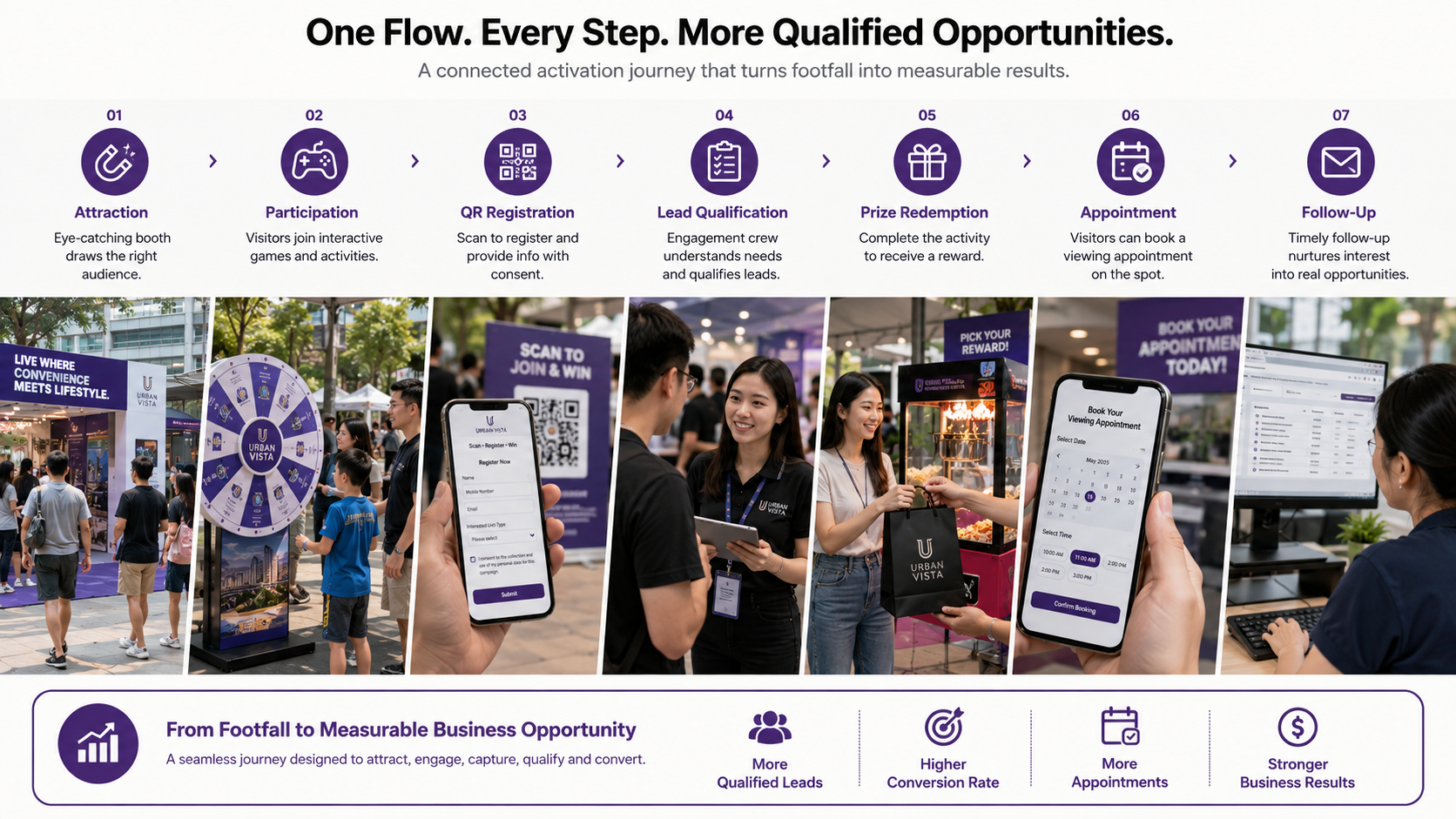
The booth, game, snack, lucky draw, engagement crew and lead capture system should not operate as separate components. They should be planned as one connected conversion journey, with each element moving visitors toward the next measurable action.
Why a Connected Roadshow Strategy Creates Better Results
Singapore’s event marketing market offers many ways to attract visitors, from roadshow staffing and product sampling to games, digital activities and promotional giveaways. The challenge is that these elements can sometimes operate separately. A booth may have an attractive activity, while the lead collection happens through a different process, or the engagement crew may not have a clear way to qualify visitors. This can create plenty of activity without creating enough useful leads.
For iKen Design, the opportunity is to connect these individual components into one conversion journey. A booth can attract attention. A game can create participation. A snack bar can make the interaction more welcoming. A trained engagement crew can start a conversation and identify visitor interest. A QR system can capture information. When these elements are planned together around one business objective, every interaction has a clearer purpose and contributes to the next stage of the customer journey.
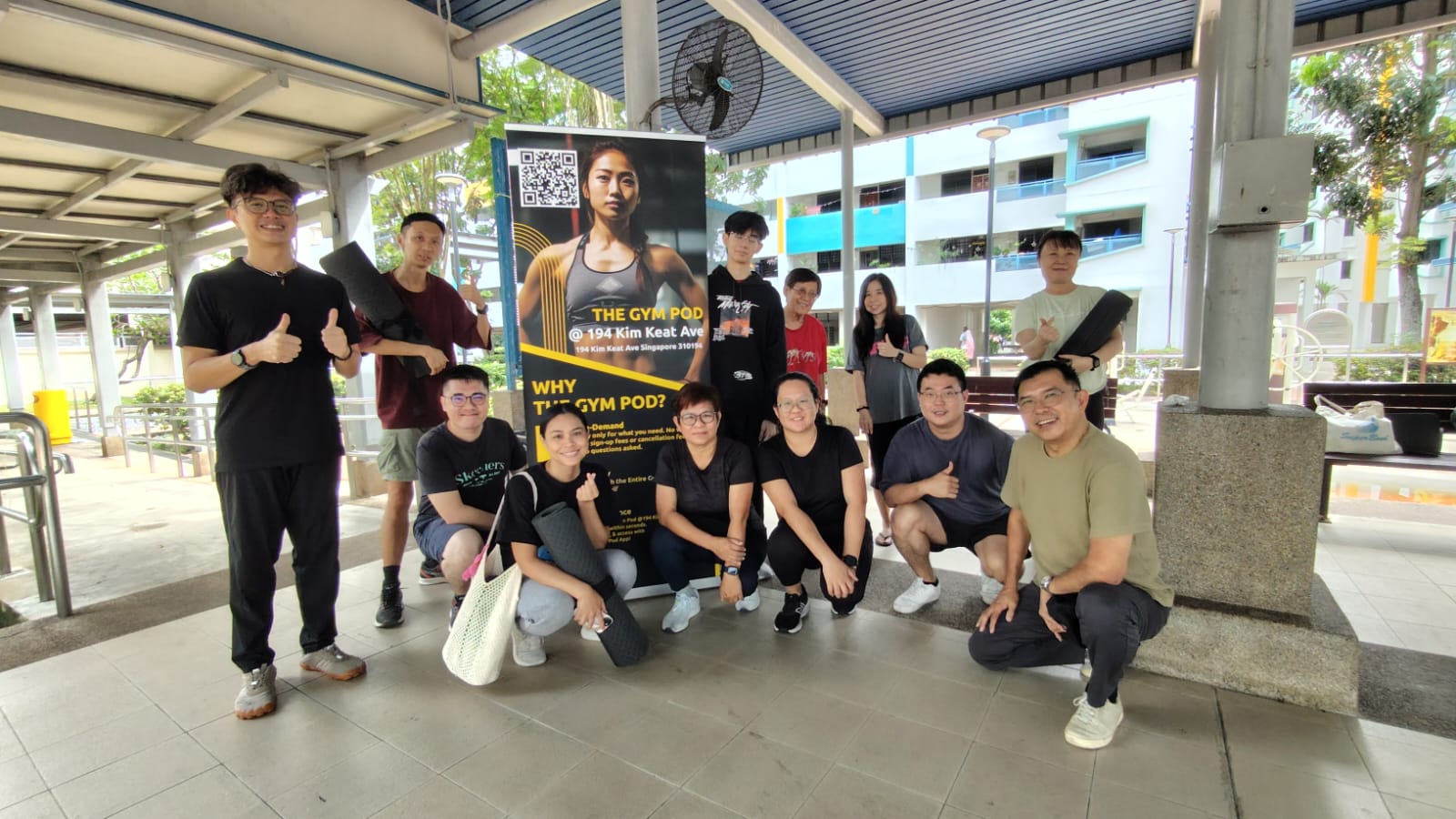
A visitor might first approach because of an interactive game, stay because of a reward, register through QR, speak with a trained crew member and leave with a clear next step. This is where iKen Design can differentiate its approach: rather than focusing on individual event components, we design the complete engagement system around the outcome the client wants to achieve. The result is an activation designed to generate measurable conversations and qualified leads, rather than simply creating a busy booth.
From Snack Bars to Lucky Draws: How iKen Design Turns Engagement Into Lead Opportunities
ISS Job Fair: Using a Snack Bar to Create a Welcoming Entry Point
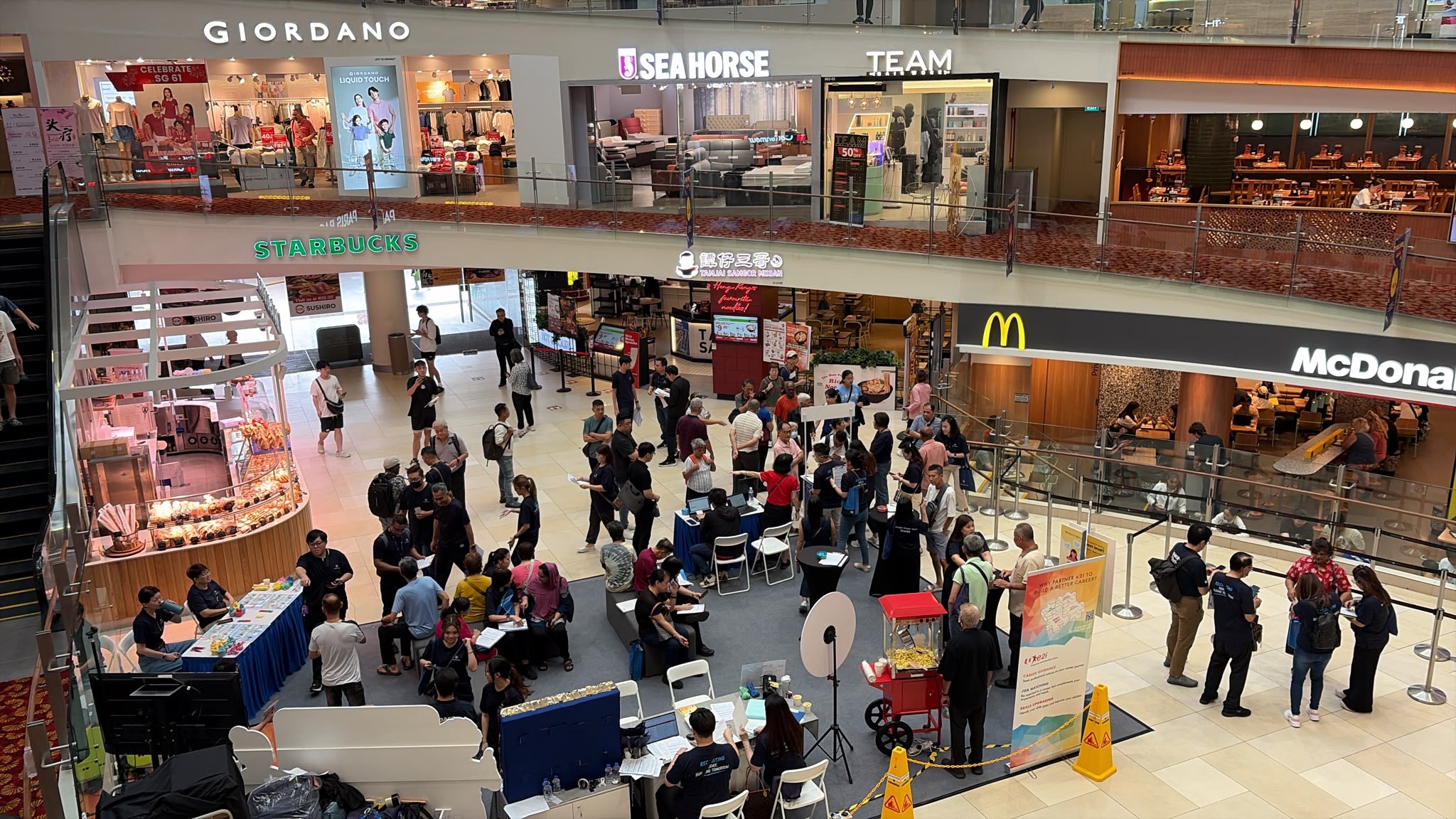
For the ISS Job Fair, iKen Design provided an interactive booth experience with a popcorn stall. The purpose of the snack was to make the booth more memorable and create a relaxed starting point for interaction.
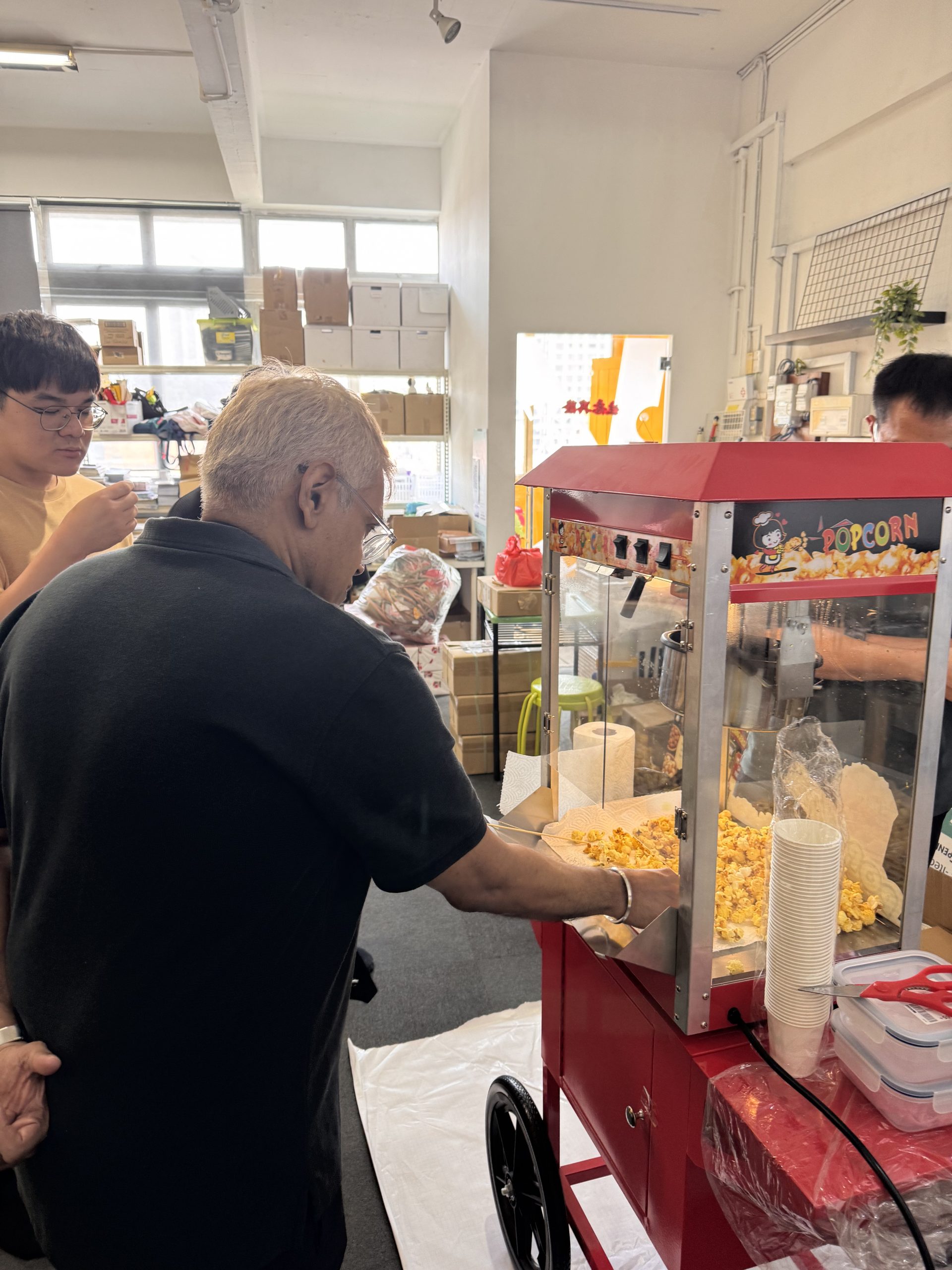
Food naturally gives visitors a reason to approach and gather around an activation. Once people are comfortable at the booth, the engagement crew has more opportunities to begin conversations and introduce the campaign. This demonstrates how a simple snack can become part of a wider event lead generation strategy when it is connected to the visitor journey.
Koufu at Rasapura: Creating Curiosity With a Lucky Draw
For Koufu at Rasapura, iKen Design provided a Lucky Draw booth designed to encourage participation through the appeal of rewards. A visible prize mechanic can create curiosity among people passing by, especially when visitors can see other participants enjoying the experience.
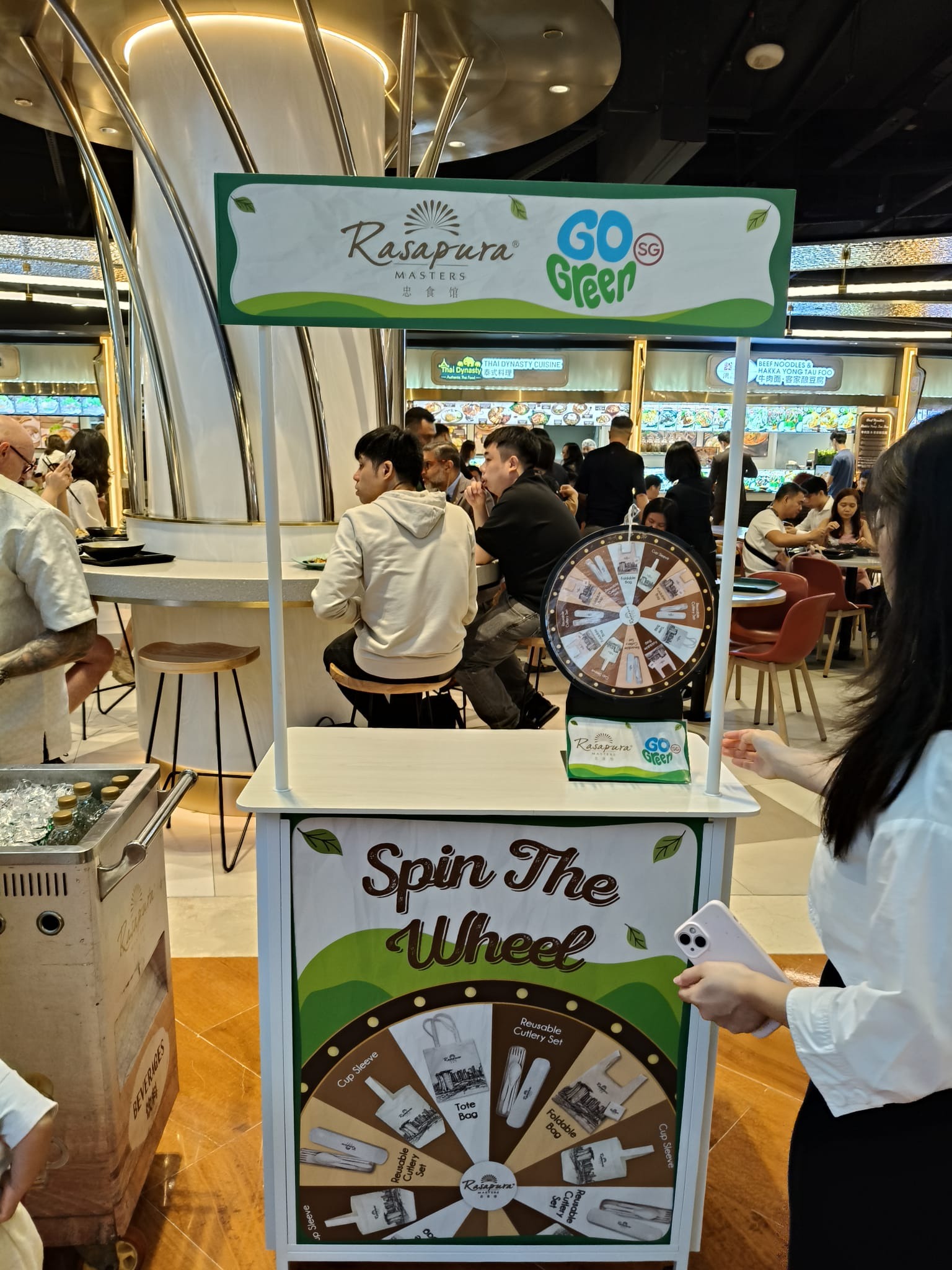
The important lesson is that the lucky draw itself is the attraction. The business outcome depends on what happens around it. When the mechanic is connected to registration, engagement crew conversations and a clear redemption process, the activity can create a more structured path from curiosity → participation → lead capture.
Food Sampling at NTUC: Letting Customers Experience the Product
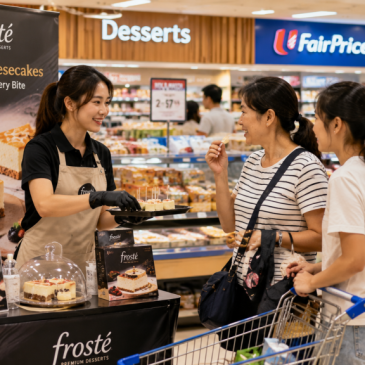
Food sampling inside grocery stores such as NTUC FairPrice, Sheng Siong and Cold Storage provides another example of experience-led engagement. Shoppers may understand a product from packaging or advertising, but tasting it gives them direct experience before making a purchase decision.

For a sampling campaign, that first taste can open the door to further engagement. A QR code could provide a coupon, membership offer or future promotion after sampling. This gives the business an opportunity to continue the relationship beyond the initial product experience.
Make Every Interaction Count
A successful interactive roadshow in Singapore is built around what happens after someone stops. Games, prizes, snacks, sampling and creative booth designs can create attention, but the real opportunity comes from connecting those interactions to meaningful conversations and measurable next steps. When every element has a purpose, organisers can move beyond simply counting visitors and start understanding the quality of the engagement they generated.
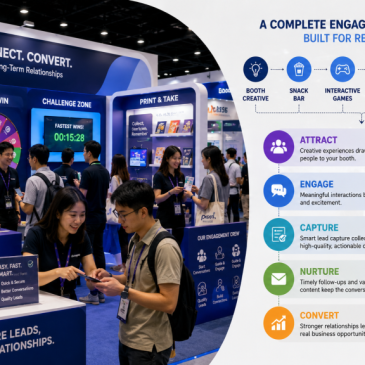
At iKen Design, we bring together booth creative, snack bars, interactive games, creative print products, trained engagement crews and smart lead capture to create a connected event experience. Our approach is designed around the customer’s objective, so the activation mechanic, engagement flow and lead-capture process work together. The goal is to help brands turn physical attention into useful data, qualified conversations and opportunities for follow-up.
What do you think makes people stop at a roadshow: a game, a free snack, a prize, a photo opportunity or something else? Leave your answer in the comments with the keyword “ROADSHOW”, and the iKen Design team can share a free interactive event concept with one attraction mechanic, one lead-capture flow and a recommended crew plan for your next activation.
Q&A: Interactive Roadshow and Event Lead Generation
What is an interactive roadshow?
An interactive roadshow is a physical marketing activation where visitors actively participate in games, sampling, demonstrations, lucky draws or other experiences rather than simply viewing promotional materials.
How can a roadshow generate qualified leads?
The roadshow should connect its attraction mechanic to registration, lead qualification and a clear next step. For example, visitors can participate in a game, scan a QR code, register for a reward, speak with an engagement crew member and book an appointment.
Does getting more leads mean getting more sales?
No. Lead quantity and lead quality are different measurements. A campaign collecting hundreds of unqualified contacts may create less business value than a smaller campaign producing genuinely interested prospects.
What can I use to attract visitors to a Singapore mall activation?
Depending on the audience and objective, options include interactive games, lucky draws, food sampling, snack bars, product demonstrations, photo moments and creative booth designs.
How should businesses measure a roadshow?
Track the journey from footfall to participation, registration, qualification and conversion. Useful metrics include participation rate, QR scans, completed registrations, qualified leads, appointments, redemptions and post-event responses.
What can iKen Design provide for an interactive roadshow?
iKen Design can combine event planning, booth creative, snack bars, interactive games, creative print products, engagement crews and smart lead capture into a connected activation strategy.